Orthopaedic Surgeon Near Greater Noida
Meniscus Injuries
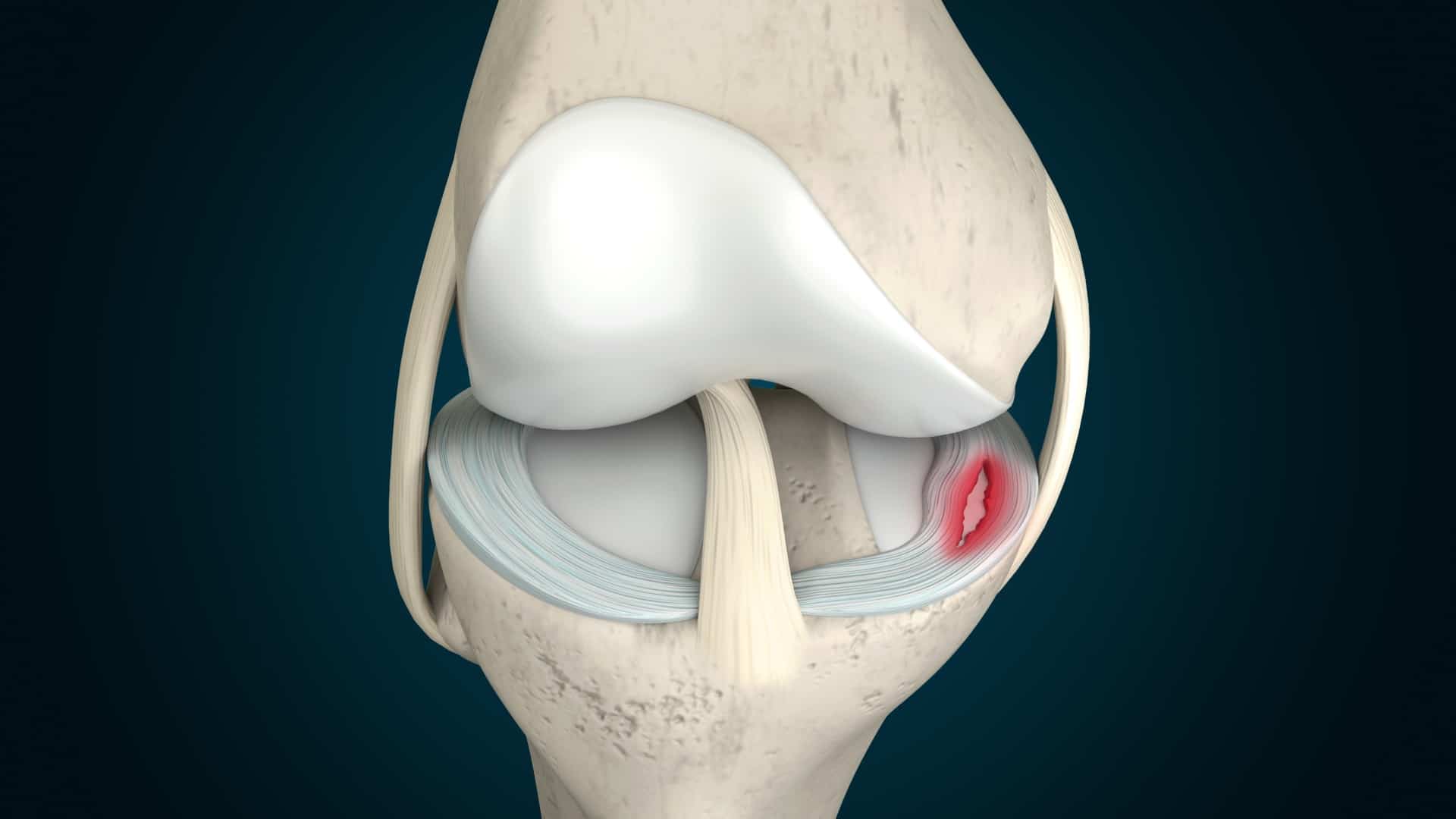
Meniscus injuries are among the most common knee problems, affecting athletes, active individuals, and even older adults. The meniscus is a vital cartilage structure within the knee that acts as a shock absorber, providing cushioning, stability, and smooth movement between the thigh bone and shin bone.
A torn or damaged meniscus can cause pain, swelling, locking, and instability of the knee. Early diagnosis and appropriate treatment are essential to relieve symptoms, restore knee function, and protect long-term joint health.
What is the Meniscus?
The knee contains two menisci:
- Medial Meniscus – Located on the inner side of the knee.
- Lateral Meniscus – Located on the outer side of the knee.
These crescent-shaped cartilage structures help:
- Absorb shock during movement
- Distribute body weight across the knee joint
- Improve joint stability
- Protect the articular cartilage
- Support smooth knee movement
What is a Meniscus Injury?
A meniscus injury occurs when the cartilage is torn or damaged due to sudden twisting movements, sports injuries, trauma, or age-related degeneration.
Meniscus tears can vary in size, location, and severity, ranging from small stable tears to large complex injuries that may require surgical treatment.
Common Causes of Meniscus Injuries
- Sports Injuries
Activities involving sudden twisting, pivoting, jumping, or rapid direction changes frequently cause meniscus tears. - Trauma and Accidents
Direct impact to the knee during falls or accidents can damage the meniscus. - Age-Related Degeneration
As people age, the meniscus becomes less flexible and more susceptible to tears from routine activities. - Repetitive Stress
Frequent squatting, kneeling, or heavy lifting can increase wear on the knee cartilage.
Types of Meniscus Tears
- Longitudinal Tear
A vertical tear that runs along the length of the meniscus. - Bucket Handle Tear
A large tear where part of the meniscus becomes displaced within the knee joint. - Radial Tear
A tear that extends from the inner edge of the meniscus outward. - Horizontal Tear
A tear that splits the meniscus into upper and lower sections. - Complex Tear
A combination of different tear patterns, often seen in degenerative injuries. - Degenerative Tear
Occurs gradually due to age-related wear and tear.
Symptoms of Meniscus Injuries
Common symptoms include:
- Knee pain
- Swelling
- Stiffness
- Clicking or popping sensations
- Knee locking
- Difficulty bending or straightening the knee
- Joint line tenderness
- Instability or giving way
- Reduced range of motion
Symptoms may develop immediately after injury or gradually over time.
Risk Factors for Meniscus Injuries
Several factors increase the risk of meniscus tears, including:
- Participation in sports
- Sudden twisting movements
- Previous knee injuries
- Ligament injuries such as ACL tears
- Aging and cartilage degeneration
- Obesity
- Physically demanding occupations
Diagnosis of Meniscus Injuries
A comprehensive evaluation may include:
Medical History and Physical Examination
The orthopedic specialist assesses symptoms, injury history, and knee function.
Imaging Studies
Diagnostic tests may include:
- X-rays
- MRI scans
- Ultrasound in selected cases
MRI is particularly useful for identifying the location and severity of meniscal tears.
Treatment Options for Meniscus Injuries
Non-Surgical Treatment
Many small or stable tears can be managed conservatively with:
- Rest and activity modification
- Ice therapy
- Compression and elevation
- Anti-inflammatory medications
- Knee bracing
- Physiotherapy and strengthening exercises
Surgical Treatment
Surgery may be recommended for larger tears, persistent symptoms, or mechanical problems such as locking.
- Meniscus Repair
The torn cartilage is repaired and preserved whenever possible. - Partial Meniscectomy
Only the damaged portion of the meniscus is removed while preserving healthy tissue. - Meniscus Transplantation
In selected cases, meniscal transplantation may be considered when significant cartilage loss has occurred.
Most surgical procedures are performed arthroscopically through small incisions.
Benefits of Early Treatment
- Pain Relief
Reduces discomfort and inflammation. - Restored Knee Function
Improves mobility, stability, and movement. - Prevention of Further Damage
Protects the joint from additional cartilage wear. - Faster Return to Activity
Allows patients to resume daily activities and sports safely. - Reduced Risk of Arthritis
Preserving meniscal tissue helps maintain long-term knee health.
Recovery After Meniscus Injury
Recovery depends on the type of injury and treatment approach.
- Conservative Treatment
Many patients recover within a few weeks with physiotherapy and activity modification. - Meniscus Repair
Recovery may take several months to allow complete healing of the repaired tissue. - Partial Meniscectomy
Patients often return to normal activities more quickly, typically within a few weeks.
A structured rehabilitation program is essential for optimal outcomes.